About the Idea Factory

Where 
ideas
get built.

The Idea Factory is where ideas get built. It's where students become entrepreneurs, where faculty research finds its way to market, where innovators across Maryland test and validate their ideas, where startups take shape, and where Maryland companies access the intellectual firepower they need to grow.

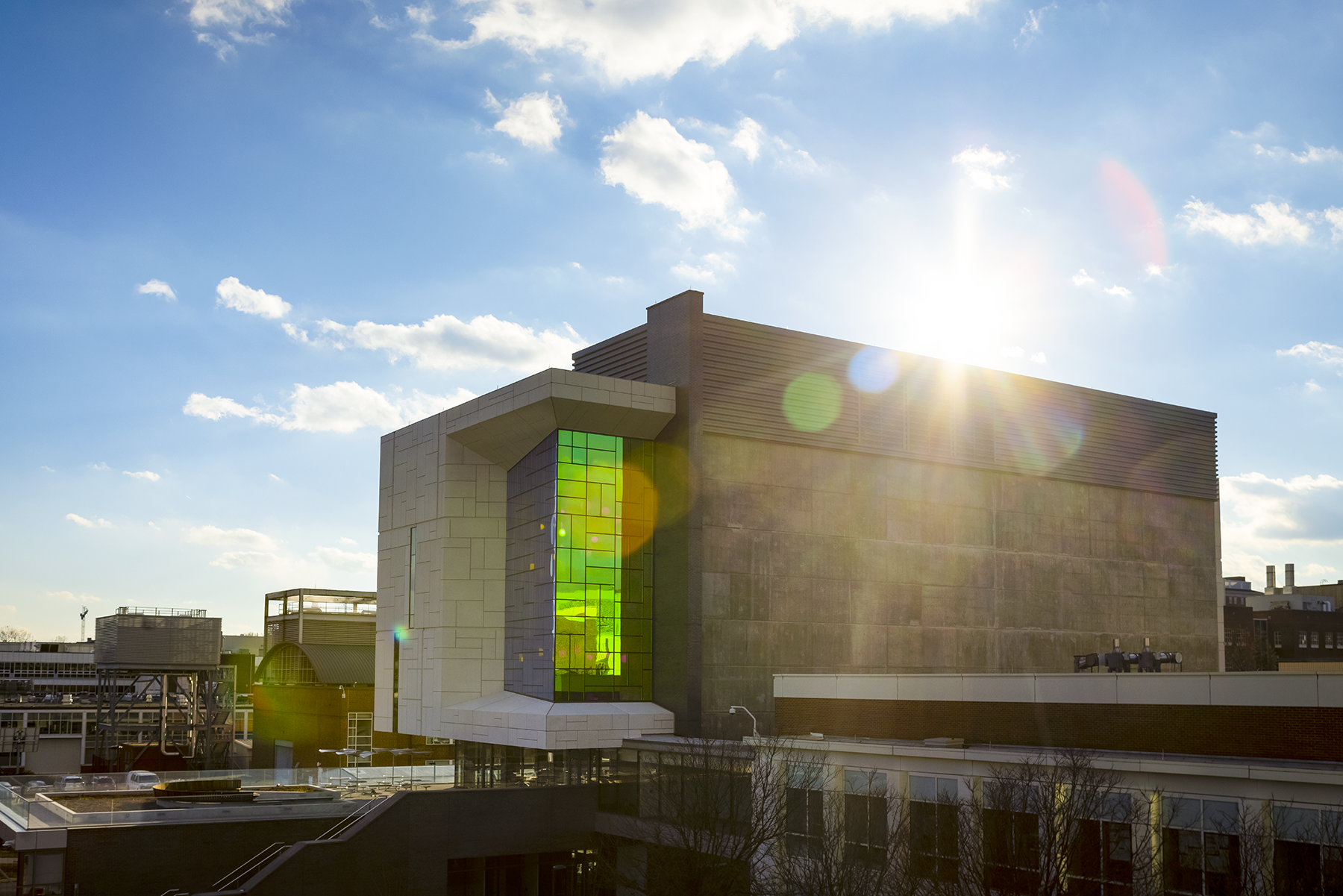
The E. A. Fernandez Idea Factory building, sunlight flaring off its tiled facade and colored-glass window wall
WALK THE FACTORY
Jump to a stage ›
Blueprint
01
BLUEPRINT
Proving Ground
02
PROVING GROUND
Assembly Line
03
ASSEMBLY LINE
Scale-Up
04
SCALE-UP
The Premise
Since 1983 · College Park

Every great idea starts the same way: as a hunch, a question, a problem that won't let go.

What separates the ideas that change the world from the ones that stay on a whiteboard isn't genius. It's work: rigorous, disciplined, creative work, done with the right people and the right resources at the right moment.

That's what the Idea Factory is for.

Located at the heart of the University of Maryland's A. James Clark School of Engineering, the Idea Factory is where Maryland's most ambitious faculty, researchers, students, entrepreneurs, and companies come to turn their ideas into something real. Since 1983, our programs have created nearly 19,000 jobs, supported more than 72,000 students, and generated $94.8 billion in economic impact. Explore the full numbers ⟶ We are not a think tank. We are not a lecture hall. We are the place where ideas get built.

We are not a think tank.
We are not a lecture hall.
We are where ideas get built.

We do that work in four stages.

01
Blueprint stage glyph

STAGE 01 · BLUEPRINT

Learn to think like a builder.

Every builder starts with a blueprint. Before you can make something, you need to understand the principles behind it: the forces that will act on it, the constraints that will shape it, and the market that will ultimately judge it.

At the Blueprint stage, we work with students and emerging innovators who are learning what it means to think entrepreneurially. This isn't theory for its own sake. Our undergraduate courses, the Minor in Technology Entrepreneurship, the Master of Technology Entrepreneurship, and the Master of Professional Studies in Product Management prepare students not just to understand innovation, but to practice it. Our ASPIRE program puts undergraduates directly into real-world, industry-relevant research projects, because the best way to learn how to build is to start building.

Blueprint is where curiosity becomes competence. Where an engineering student discovers they also want to run a company. Where a researcher realizes their lab work has a life beyond the lab. Where the question shifts from what is possible to what am I going to do about it.

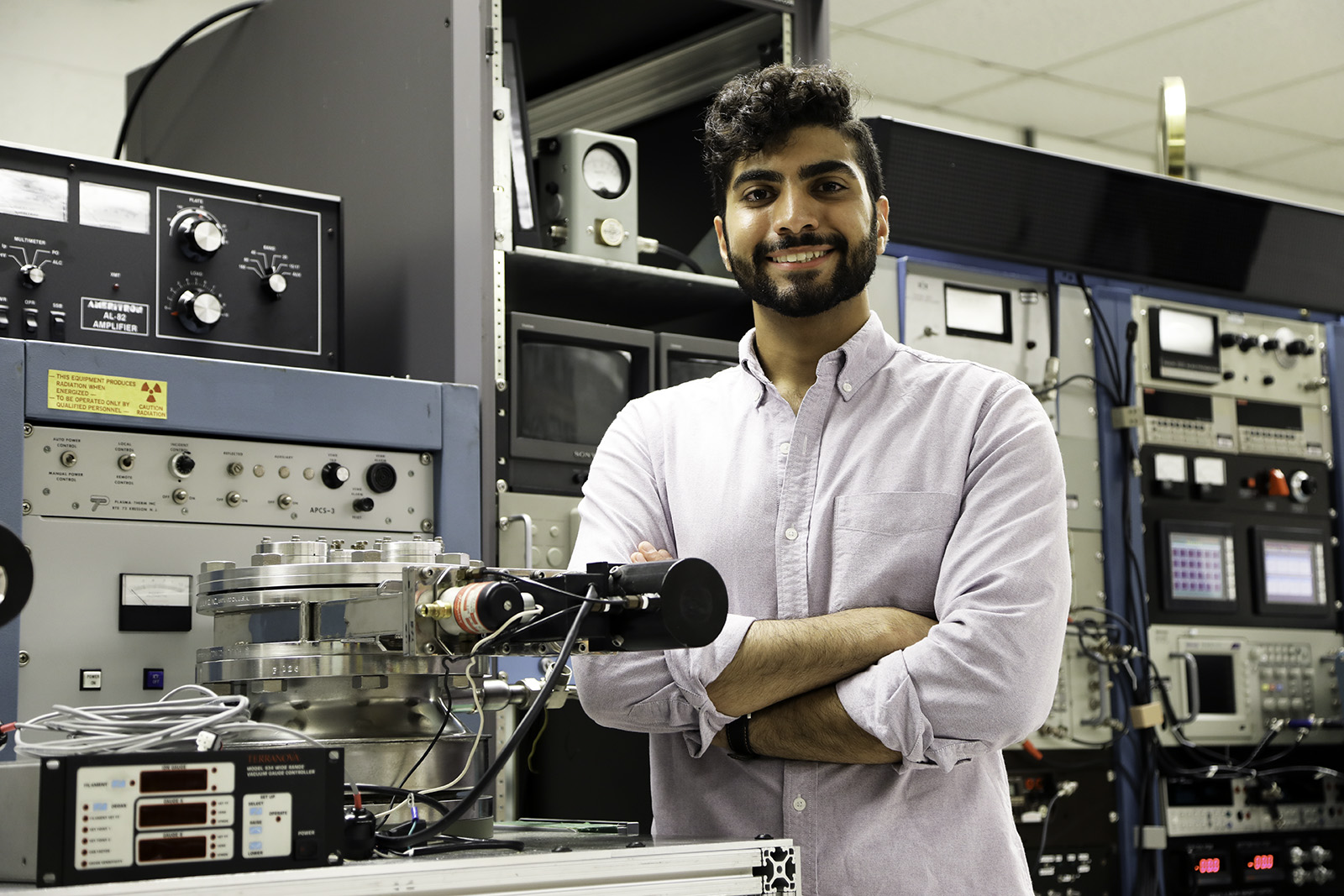
Student in a white lab coat in an engineering building

Photo: a student in an Idea Factory teaching lab.

PROGRAMS AT THIS sTAGE

5 PROGRAMS

↓The Idea Factory begins here, but it doesn't stay here.

02
Proving Ground stage glyph

STAGE 02 · PROVING GROUND

Where your idea meets the real world.

A blueprint is a hypothesis. The Proving Ground is where you find out if you're right.

This is the hardest and most important stage, the one most ideas skip, and the reason most ideas fail. It's not enough to believe in your concept. You have to get out of the building, talk to real customers, stress-test your assumptions, and be willing to hear that you're wrong about something important. The entrepreneurs who thrive are the ones who treat that information as a gift. And then they do something with it, shaping, from all of that friction and feedback, a business model that actually works in the real world.

Through our NSF I-Corps programs, including the NSF I-Corps Mid-Atlantic Hub and UMD I-Corps, we train innovators in the discipline of customer discovery. We send them into the field with a methodology and bring them back with data. Some come back having confirmed their instincts. Many come back having completely reimagined their approach. Both outcomes are useful.

The Proving Ground is also where xFoundry operates, running competitions and programs designed around real societal challenges, pushing multidisciplinary teams to propose and test solutions that matter.

Testing an idea in the field — customer discovery

Photo: testing an idea in the field — customer discovery

PROGRAMS AT THIS STAGE

3 PROGRAMS

↓By the time you leave the Proving Ground, you don't just have an idea anymore. You have evidence. And evidence is what you build on.

03
Assembly Line stage glyph

STAGE 03 · ASSEMBLY LINE

This is where companies get built.

A company isn't launched in a single moment. It's assembled, team by team, customer by customer, dollar by dollar. The work is painstaking and specific, and there is no shortcut through it. The right environment makes the difference: experienced mentors who have been through it before, peers who are in it alongside you, and resources that keep you from reinventing every tool from scratch.

That's what Mtech Ventures provides.

Our incubator gives early-stage, technology-based companies the space and support to survive the most dangerous stretch of their development: the period between a promising idea and a first round of real capital. With affordable lab and office space, hands-on mentorship, and access to the extraordinary resources of the University of Maryland and the broader University System of Maryland, Mtech Ventures is where companies get serious about becoming companies.

The Chesapeake Bay Seed Capital Fund provides an additional critical resource: early investment for some startups that have validated their concept and are ready to build in earnest.

We think of this stage not just as a conveyor belt, but as a skilled craftsperson's workshop. Each company assembled here is unique: a different team, a different market, a different set of challenges. What the Assembly Line provides is discipline, structure, and the hard-won wisdom of everyone who has built something here before. The tools are shared. The company is yours.

A team at work in the Mtech Ventures incubator

Photo: a team at work in the Mtech Ventures incubator

PROGRAMS AT THIS STAGE

2 PROGRAMS

The tools are shared. The company is yours.

04
Scale-Up stage glyph

STAGE 04 · SCALE-UP

Where it takes off.

Innovative companies often need help developing new products or face a problem that requires research-level expertise.

That's what the Maryland Industrial Partnerships (MIPS) program does. It gives Maryland's businesses direct access to the research talent, laboratory resources, and innovative thinking of the state's public universities.

MIPS provides matching grant funding for university-based research projects that help Maryland companies develop new products and create new jobs. In the decades since the program launched, MIPS-supported products have generated more than $52.7 billion in sales and directly created over 14,000 high-paying, long-term jobs. The program is nationally recognized by the U.S. Small Business Administration as a model for technology transfer and economic development.

Scale-Up is also where graduate professionals, equipped through our MTE and MPPM programs, move between industry and academia, translating research into practice and practice into research. They are the people who keep the whole factory running.

At this stage, the idea isn't nascent anymore. It has a track record, a market, and ambition. What it needs is fuel. The Idea Factory provides it.

Research-level expertise applied to industry

Photo: research-level expertise applied to industry

PROGRAMS AT THIS STAGE

1 PROGRAM

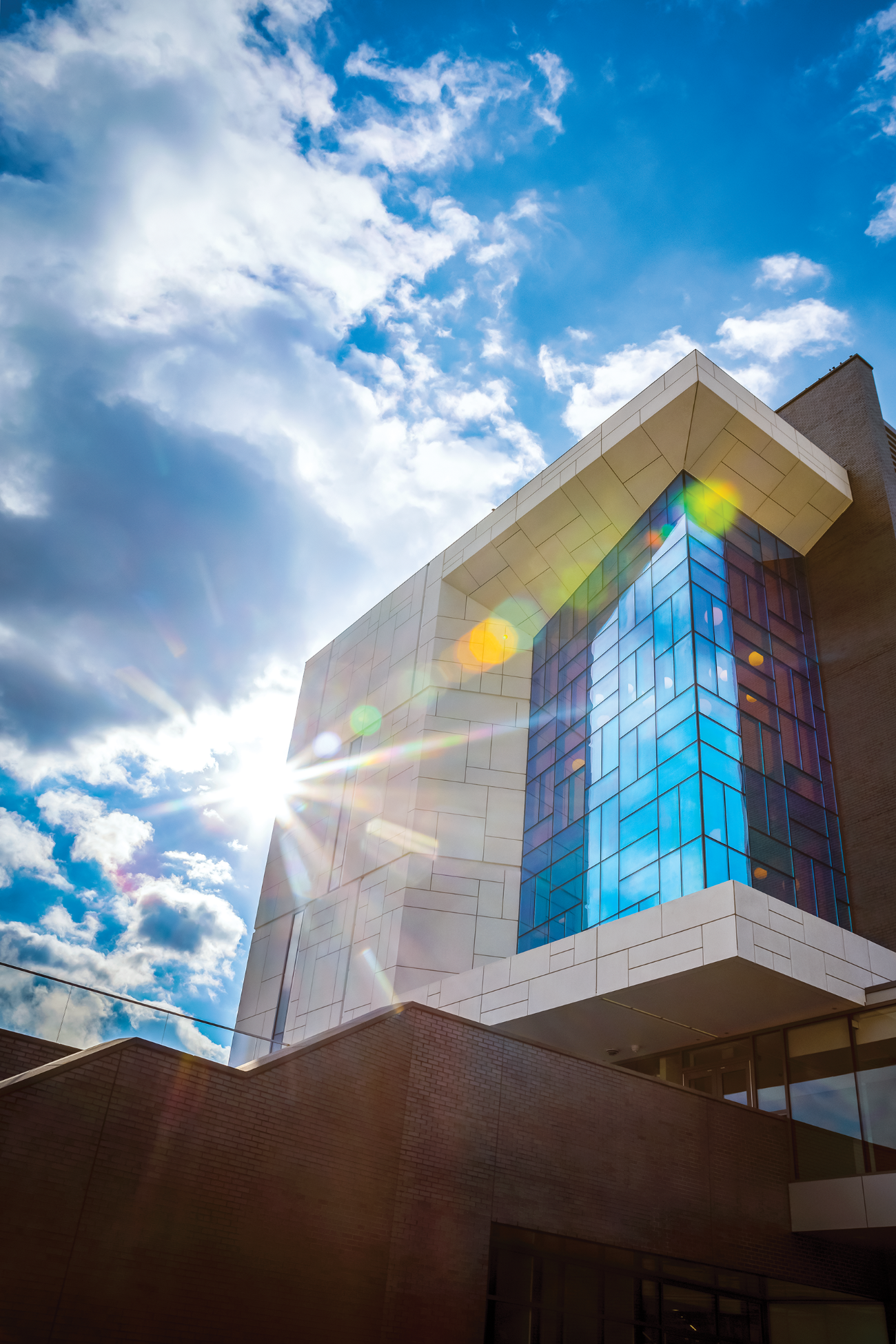
The E. A. Fernandez Idea Factory building

THE SYNTHESIS · A LOOP, NOT A LINE

One place.Every stage.

What makes the Idea Factory unusual, and unusually effective, is that all four stages exist under one roof, connected by a shared belief: that ideas are only as valuable as the work you do with them.

Blueprint stage glyph

01

BLUEPRINT

→

Proving Ground stage glyph

02

PROVING GROUND

→

Assembly Line stage glyph

03

ASSEMBLY LINE

→

Scale-Up stage glyph

04

SCALE-UP

↻

But people don't only move forward, and the work doesn't stop at Scale-Up. It's a loop, not a line — the stages feed back into one another, and the system compounds.

A student can arrive at Blueprint and, a decade later, return at Scale-Up as the founder of a Maryland company. A faculty researcher can move from the Proving Ground directly to the Assembly Line. A company that has grown through MIPS can send its next generation of engineers back through Blueprint. The stages are not a one-way street. They are a system, and the system is designed to compound.

We have been doing this work for 43 years. We have the numbers to prove it and the companies to show it. But what drives us is not the economic impact, as significant as it is. What drives us is the moment when someone walks in with nothing but a question and walks out with something the world didn't have before.

HOW PEOPLE MOVE THROUGH IT

STUDENT

Arrives at Blueprint and, a decade later, returns at Scale-Up as the founder of a Maryland company.

RESEARCHER

Moves from the Proving Ground directly to the Assembly Line.

COMPANY

Grows through MIPS, then sends its next generation of engineers back through Blueprint.

That's what it means
o be the Idea Factory.
Where Ideas Get Built

The Idea Factory is an institute of the A. James Clark School of Engineering at the University of Maryland, College Park.